Pet Friendly Lawns Nebraska

Home > Pet Friendly Lawns

Solutions for Dog Owners Who Are Tired of Muddy Mess

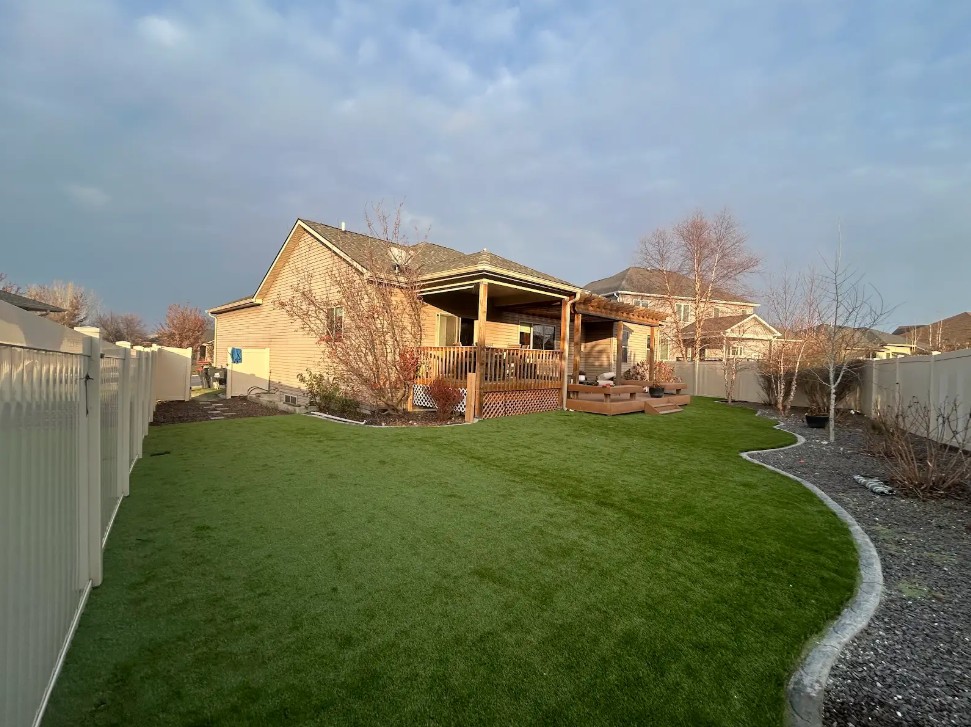
Sarah in Lincoln had two German Shepherds and what used to be a backyard. By late spring, it was just dirt, mud puddles, and a few sad patches of grass the dogs hadn’t destroyed yet. She tried reseeding three times. Spent a fortune on sod that died within weeks. Her dogs would come inside covered in mud every single day, and she was about ready to concrete the whole thing.

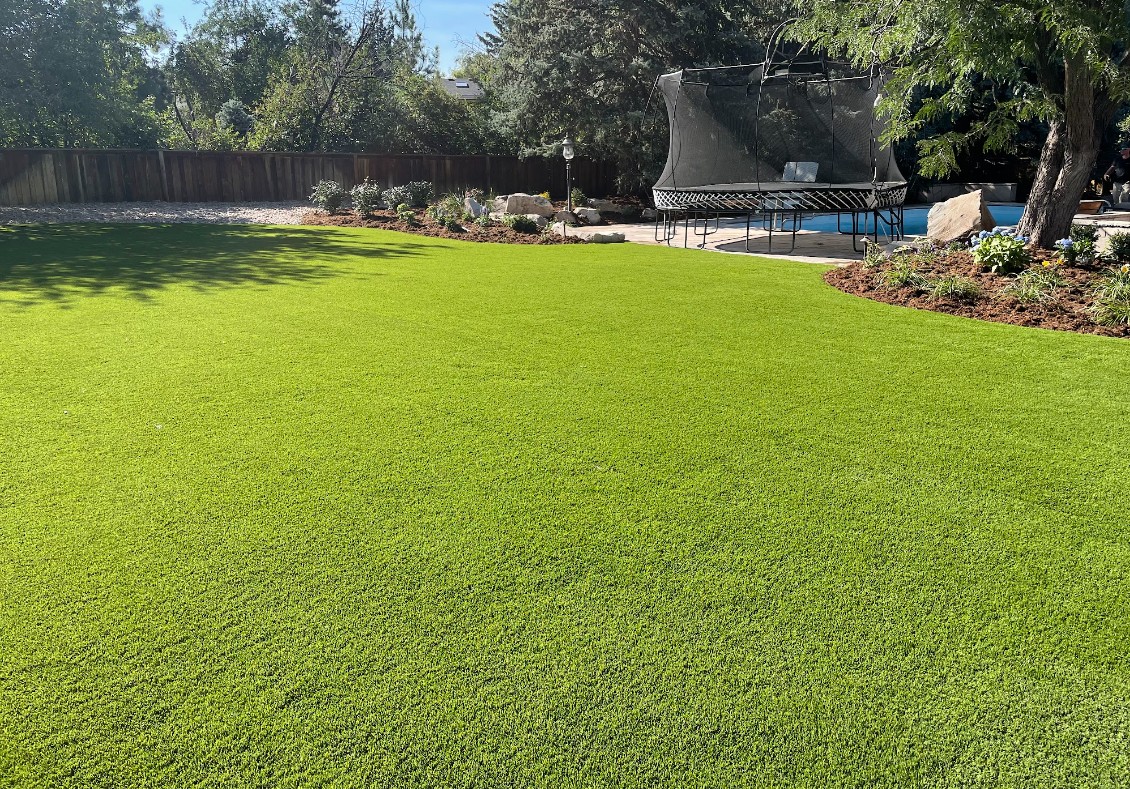
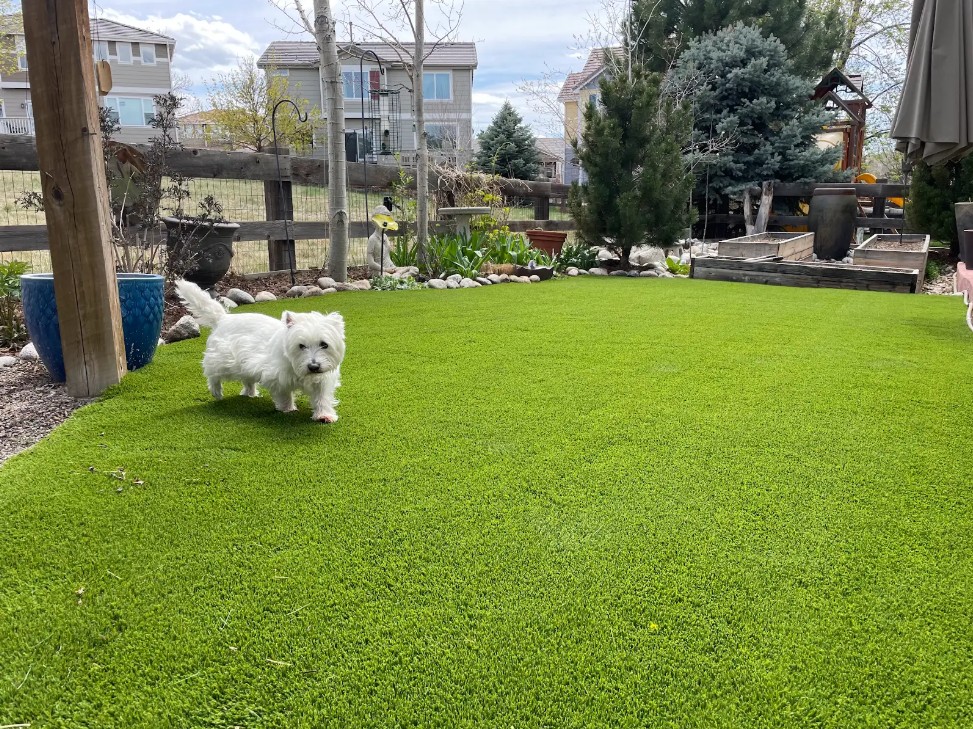
Then she called us about pet friendly lawns in Nebraska, that dog owners were switching to. Three weeks later, her backyard was green again, her dogs were happy, and she hasn’t had to wash muddy paws in six months.

If you’ve got dogs and your tired of what they do to regular grass, you’re not alone. About 70% of our residential work now is for pet owners dealing with the same problems.

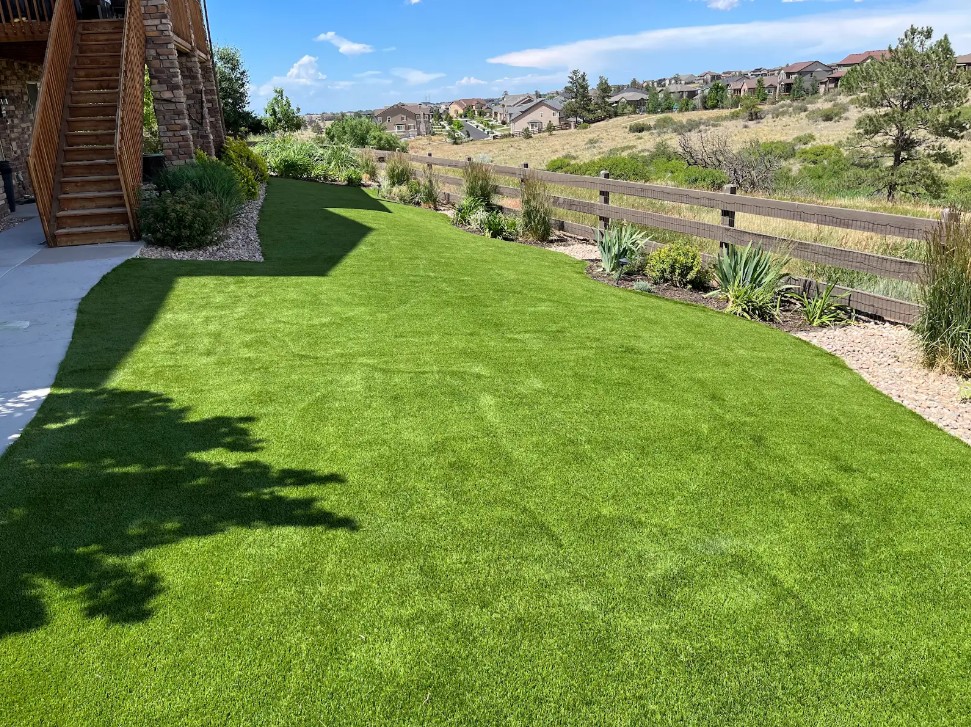
pet friendly artificial turf
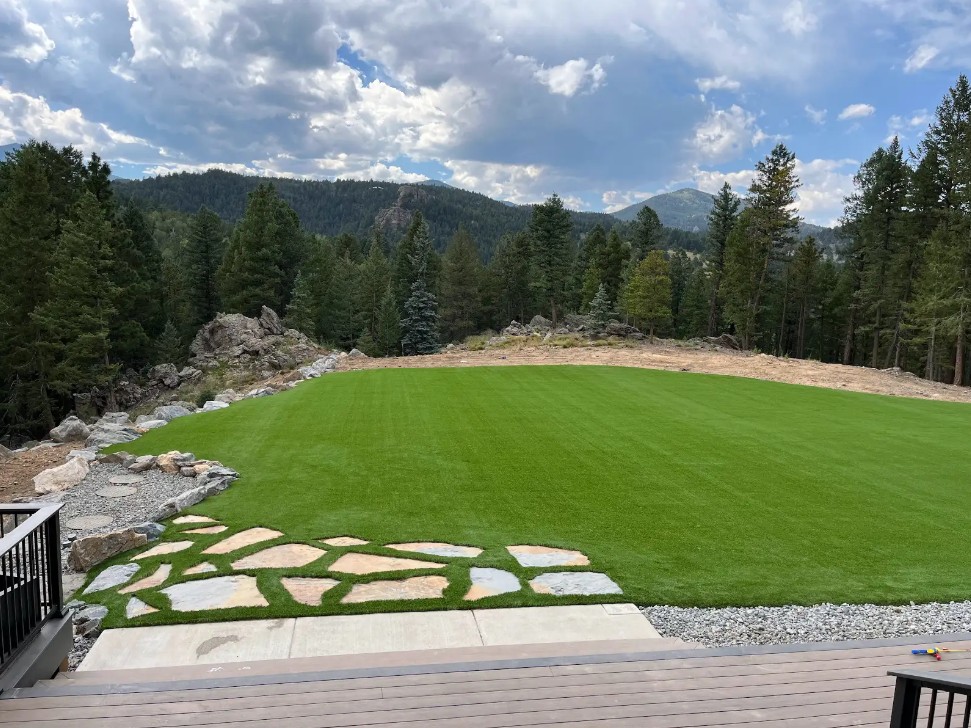
pet durable turf Nebraska

Why Dogs and Regular Grass Don't Work in Nebraska

Real grass cant handle how dogs actually use a yard. They run the same paths over and over, creating dirt trails. They pee in favorite spots that burn the grass and leave dead yellow circles. They dig when their bored or hot. And when Nebraska weather turns our yards into mud pits every spring and after summer storms, dogs track that mess everywhere.

Most people don’t realize dogs also need more grass chemicals to keep lawns decent – more fertilizer to fix the urine damage, more weed killer, more everything. Then your dog is rolling around in pesticides and herbicides. Not great.

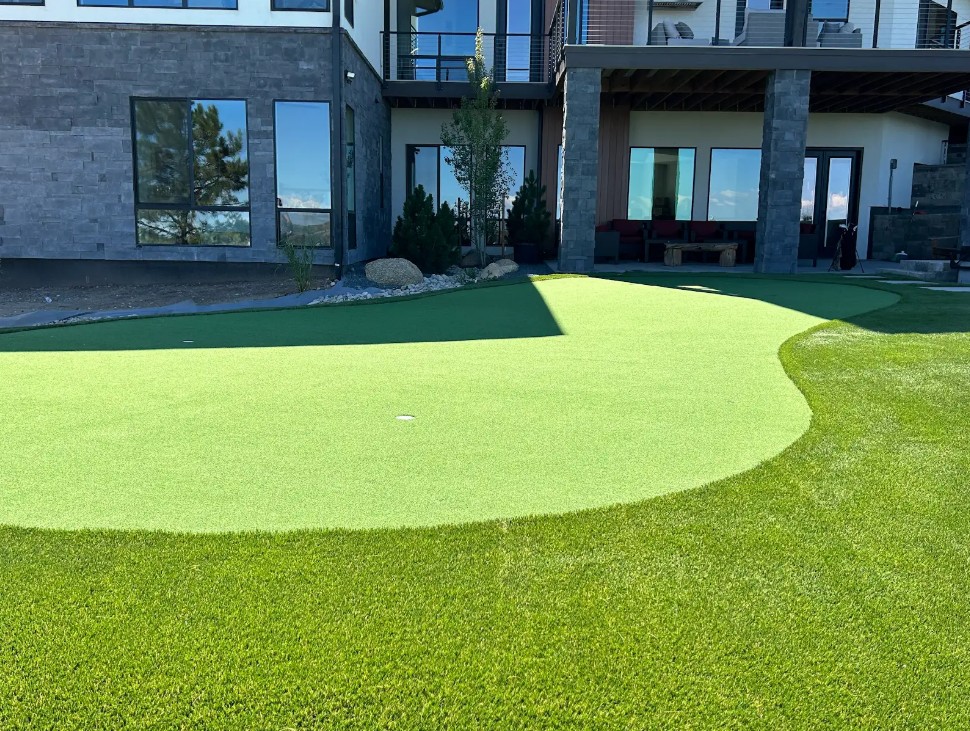
We’ve installed pet friendly lawns across Nebraska for over a decade now. Started doing sports fields and putting greens, learned what actually holds up to constant animal use, and now we bring that same approach to residential yards.

The difference between regular artificial turf and real pet friendly turf is huge. You cant just throw down any fake grass and expect it to work for dogs. It needs specific features or you’ll end up with smell problems, drainage issues, and dogs who refuse to use it.

Residential Lawns For Pets

When we design residential lawns for pets, we’re thinking about three main things – durability, drainage, and odor control.

Dogs are hard on surfaces. They run, play, wrestle, and generally beat up whatever their on. Pet specific synthetic turf uses heavier backing material and stronger blade construction than regular landscape turf. The fibers are designed to bounce back even after constant use.

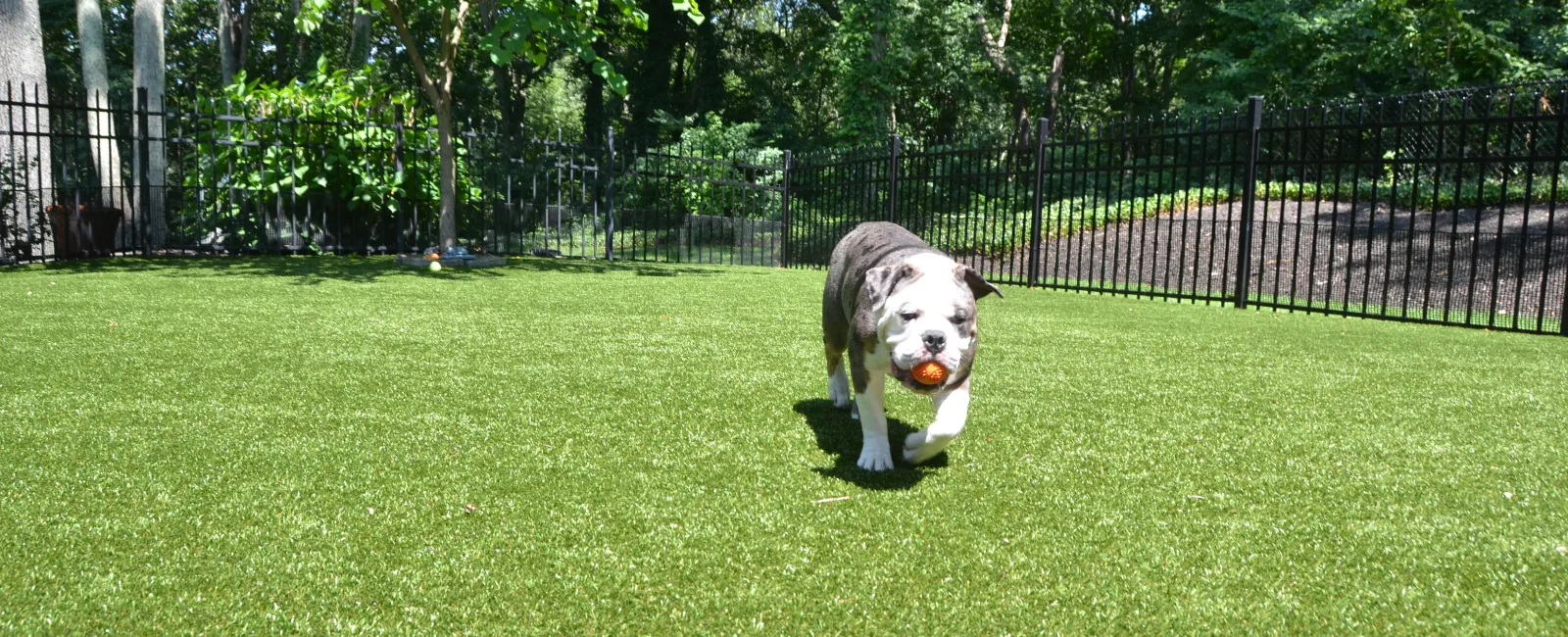
We did a install in Omaha last year for a family with four Labs. Those dogs are outside playing constantly. Regular grass lasted maybe two months before it was shredded. The artificial turf we put in still looks almost new after a full year of four big dogs using it daily.

The turf itself is just part of it though. The base preparation matters more for pet areas than regular landscaping. We excavate deeper, use larger drainage rock, and slope everything properly so urine and rainwater move through fast. Standing water plus dog urine equals smell. Proper drainage prevents that completely.

We also use antimicrobial infill between the turf blades. It neutralizes odor naturally and keeps bacteria from building up. Some installers still use rubber crumb infill because its cheaper, but that holds smells and gets really hot in summer sun. We switched to zeolite and coconut fiber infill for all our pet projects years ago.

A client in Grand Island told us her dogs refused to go on her first artificial lawn – turns out the installer used rubber infill that got so hot the dogs wouldn’t walk on it. We redid it with proper pet infill and now the dogs spend all day out there.

Artificial Turf That Works for Dogs

Not all artificial turf is the same. The stuff you see at hardware stores for $2 per square foot? That’s not going to work for active dogs.

Professional pet turf has blade heights and colors mixed to look natural, but more importantly its engineered to handle moisture. The backing is perforated with drainage holes spaced close together. Water needs to move through fast – we’re talking 30+ inches per hour drainage rate.

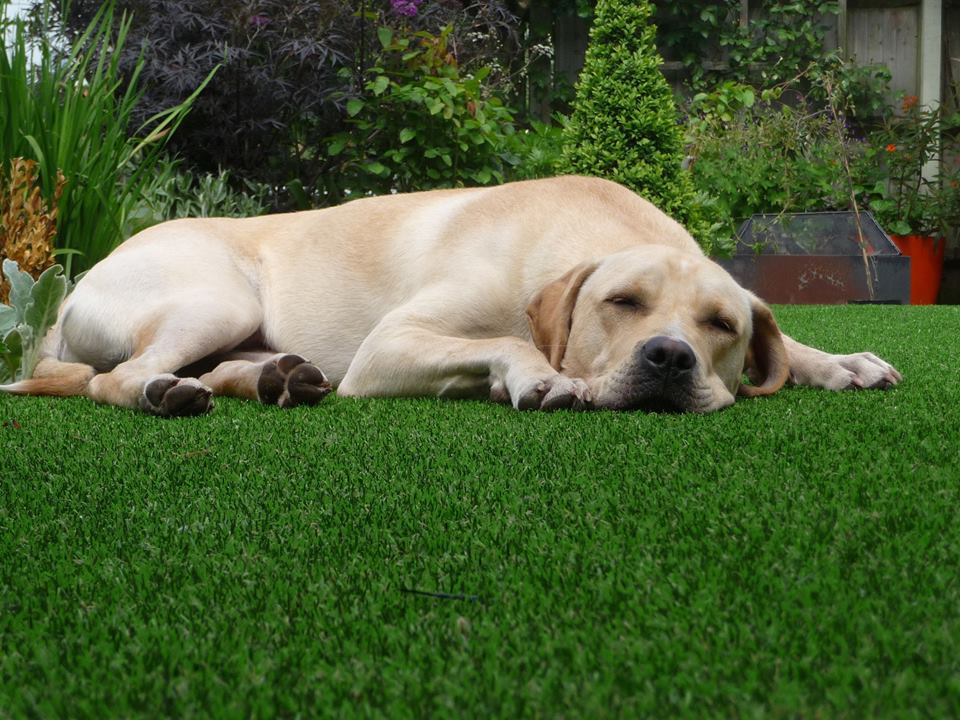
The blade material needs to be UV stabilized so Nebraska sun doesn’t fade it, and it should be soft enough that dogs will actually lay on it comfortably. Stiff, scratchy turf might look fine but dogs won’t use it for anything except bathroom breaks.

We source our turf from manufacturers who specifically test for pet use. That means its been exposed to urine, had weight and friction applied repeatedly, been frozen and thawed, and still maintains its properties.

Installation details matter too. The edges need to be secured properly or digging dogs will find them and pull the whole thing up. We use 6-inch staples every few inches around the perimeter, plus we can install a dig barrier that goes down 8-10 inches underground if you’ve got a serious digger.

Had a Husky owner in Bellevue who said her dog could dig to China if left alone for ten minutes. We put in the dig barrier along with the turf. Six months later, dog has tried a few times but cant get through it. Gave up and just enjoys the yard now.

Eco Friendly Lawns

A lot of people think artificial grass isn’t eco friendly, but when you look at the actual numbers, pet friendly lawns that homeowners are installing often beat traditional grass for environmental impact.

Regular lawns need constant watering. Average Nebraska yard uses around 18,000 gallons every summer just for irrigation. That’s drinking water being sprayed on grass. During droughts, that becomes a real problem.

Then there’s the chemicals. Fertilizers, weed killers, pesticides – all that runs off into our water system when it rains. The Platte River and local lakes get contaminated with lawn chemicals every spring. Not ideal.

With dogs, you’re using even more chemicals trying to fix urine spots and keep grass growing where they tear it up. More fertilizer, more water, more everything.

Artificial turf eliminates all of that. Zero water usage for maintenance. No chemicals ever. The turf itself is usually recyclable at end of life – we’ve started a take-back program where we’ll remove old turf and send it to recycling facilities instead of landfills.

You’re also not running a gas mower every week, so no emissions from that. No grass clippings going to waste facilities. Your yard becomes essentially zero maintenance and zero environmental impact.

We worked with a environmentally conscious family in Kearney who felt guilty about their water usage but couldn’t figure out how to have dogs and a nice yard without grass. Artificial turf solved both problems. Their water bill dropped by about $250 per summer, and they’re not dumping chemicals anymore.

(308) 380-6588

Get a free estimate today.

artificial turf

Shade Tolerant Turf

This is something people don’t think about until they have the problem. Regular grass needs sun to grow. If you’ve got big trees or your house casts shadows across the yard, grass struggles and gets thin and patchy.

Dogs love shady spots – that’s where they hang out when its hot. So the areas under trees and next to buildings get the most dog traffic and the least sun. Recipe for disaster with real grass.

Shade tolerant turf doesn’t care about sun exposure. It looks the same in full sun or complete shade. We’ve done installations on north-facing yards that get maybe 2 hours of direct sun per day. Turf looks perfect.

One benefit for pet areas specifically – shady spots stay cooler. Even in peak Nebraska summer heat, artificial turf in shade stays comfortable for dogs to lay on. The coconut fiber infill we use doesn’t absorb heat like rubber, so its not burning their paws.

We did a project in Norfolk where the backyard was about 60% shaded by mature oak trees. Grass wouldn’t grow, dogs had turned it into a dirt pit. Artificial turf transformed it into useable space year-round, and the dogs basically live under those trees now because its comfortable even in July.

The turf works equally well in full sun areas too. UV stabilization keeps it from fading, and proper infill keeps surface temperatures reasonable. But for yards with mixed sun and shade, you get consistent appearance everywhere instead of the patchy mess regular grass gives you.

What Dog Owners Actually Want to Know

How does it drain? Fast. Way faster than grass. Heavy rain goes straight through in minutes. Dog urine drains immediately instead of pooling.

Does it smell? Not if its installed correctly with proper infill and drainage. We’ve never had a smell complaint on installations we’ve done properly. The antimicrobial infill neutralizes odors naturally.

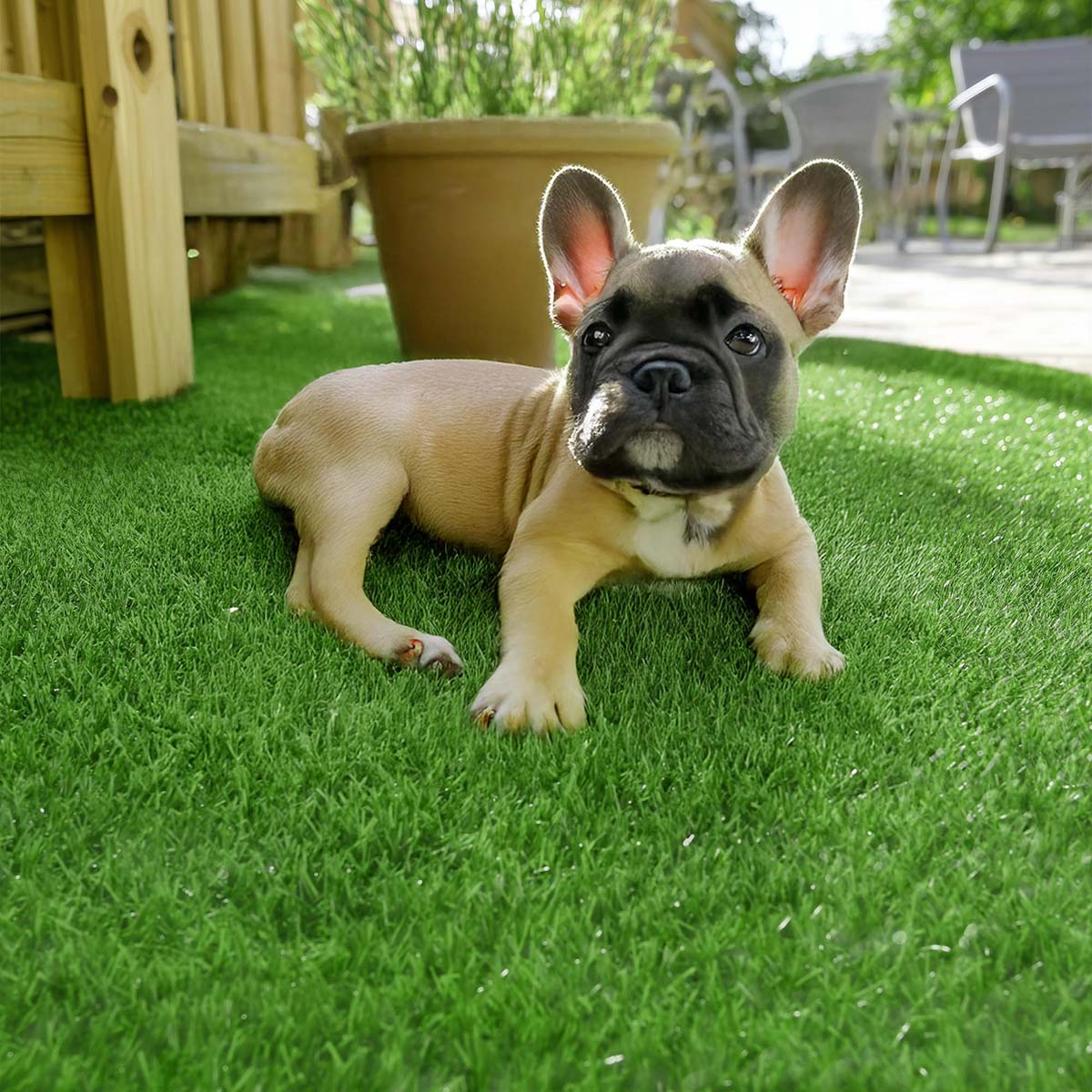
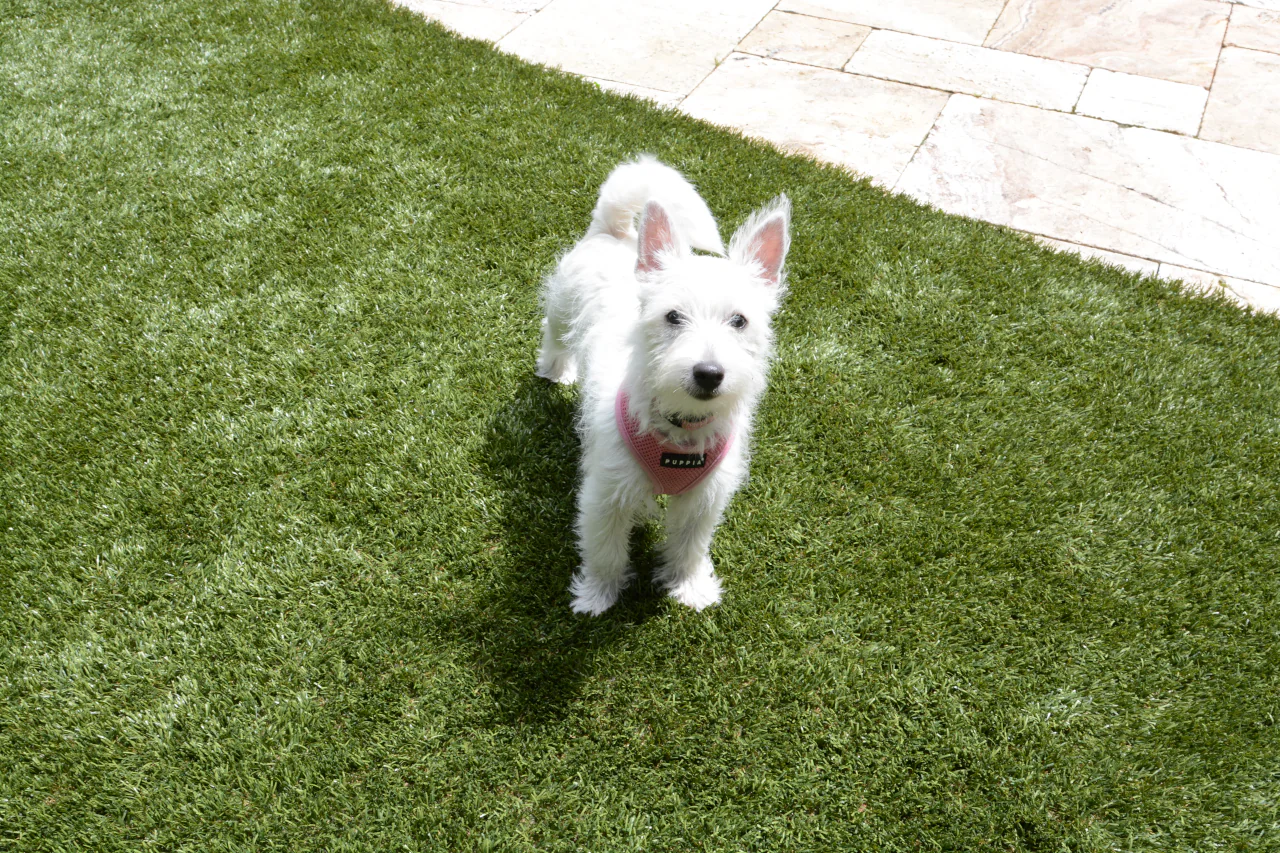
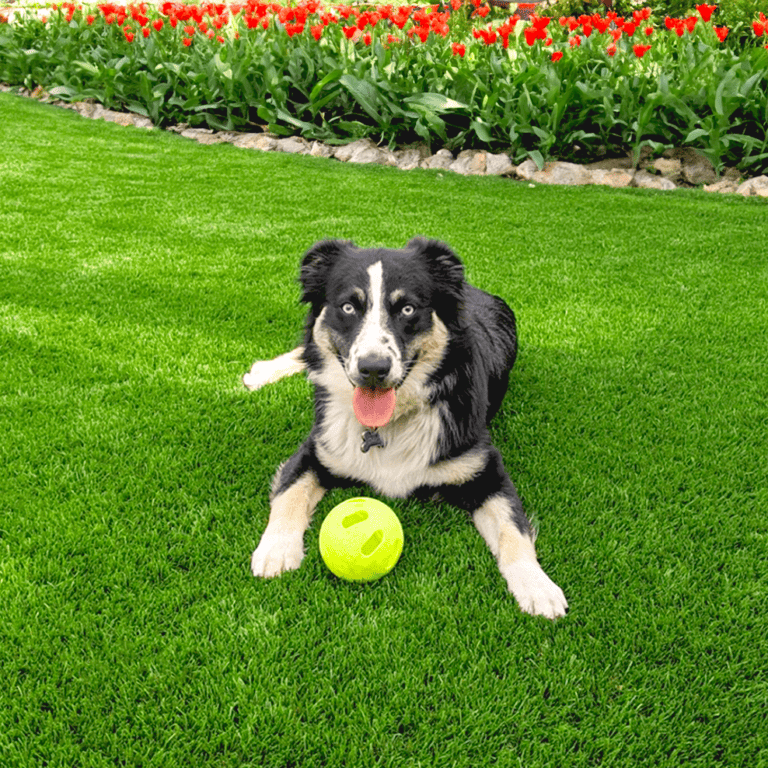
Will my dog use it? Yes. We’ve installed hundreds of pet lawns and dogs take to it immediately. Some are cautious for about five minutes, then they’re fine. Its soft, it doesn’t have the weird smells of grass chemicals, and it stays comfortable.

What about cleaning? Hose it down weekly, pick up solid waste same as you would with grass. That’s it. Some people use a leaf blower to fluff up the blades occasionally. Takes maybe 5 minutes per week total.

How long does it last? 15-20 years with normal pet use. We’ve got installations from 12 years ago that still look good.

Can they dig it up? Not if its installed right. Edges are secured, and we can add dig barriers for determined diggers. Even if a dog did manage to pull up a small section, its repairable.

What about fleas and ticks? Artificial turf doesn’t harbor them like grass does. No soil, no organic matter for them to live in. Most pet owners notice fewer pest problems after switching.
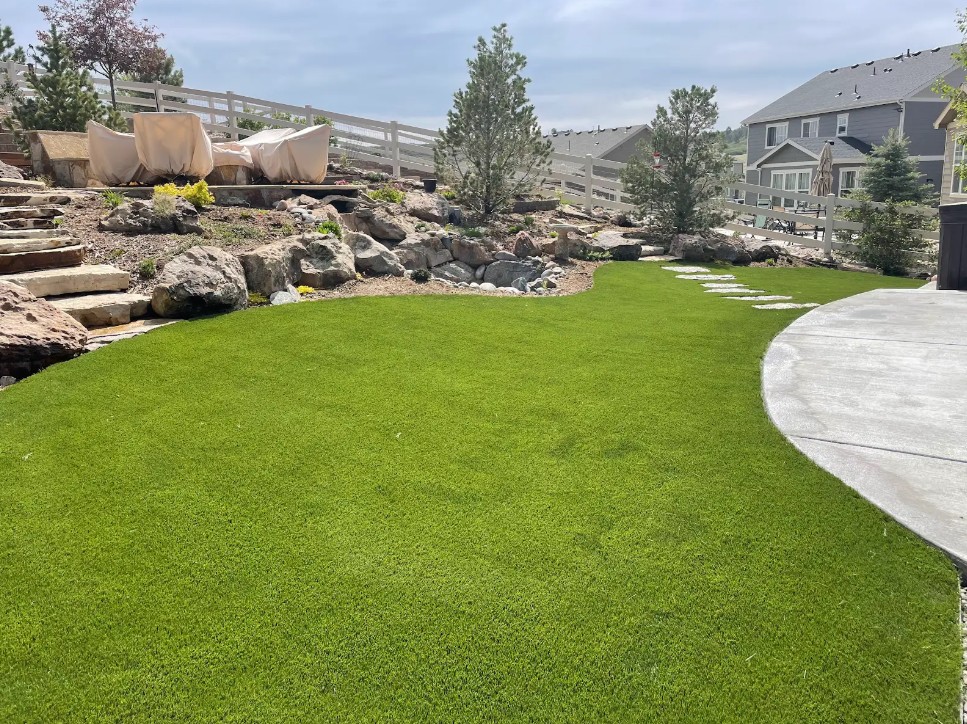
artificial-pet-grass-Nebraska

The Nebraska Weather Factor

Our climate is hard on lawns and harder on lawns with dogs. Spring brings freeze-thaw cycles that create mud. Summer brings drought or flash floods. Fall brings more mud. Winter kills everything.

Dogs don’t stop using the yard because weather’s bad. They still need to go out, still want to play. So you’re dealing with muddy paws basically 8 months out of the year with traditional grass.

Pet friendly lawns Nebraska weather cant destroy stay green and useable year-round. Freezing temperatures don’t affect the turf. Snow melts off faster than grass because the surface doesn’t hold moisture. When it rains heavy, drainage is immediate.

We’ve had customers tell us the artificial turf paid for itself just in not having to clean muddy paws and dirty floors constantly. One family in Columbus calculated they were washing their kitchen floor 3-4 times per week because of mud tracked in. After turf installation, maybe once a week.

Cost Reality for Pet Owners

What your spending fighting a losing battle with grass:

  • Water bills stay high trying to keep grass alive where dogs kill it
  • Constant reseeding or sod replacement ($300-800 per year)
  • Extra fertilizer and chemicals ($200-400 per year)
  • Time and frustration trying to maintain something that won’t work
  • Cleaning costs – floors, carpets, furniture from muddy dogs

Most pet owners break even in about 6-10 years, then its pure benefit for another decade after that.

Plus you get back probably 3-5 hours per week you were spending on lawn maintenance and cleaning up after muddy dogs. That time adds up.

What Makes Our Pet Installations Different

We only use turf specifically rated for pet use. No shortcuts with cheaper landscape turf that “should probably work fine.”

Every pet installation gets zeolite or coconut fiber infill – never rubber. The antimicrobial properties matter for odor control.

We excavate deeper for pet areas and use larger drainage rock. Standard landscape base is usually 3-4 inches of aggregate. For pets, we go 6-8 inches with graduated sizes for maximum drainage.

Edge securing gets extra attention. More staples, closer spacing, dig barriers if needed.

And we test drainage before final installation. We literally flood the base and verify its draining at the rate it should. If its not perfect, we fix it before the turf goes down.

Ten year workmanship warranty on all installations. The turf has a separate manufacturer warranty, usually 15 years. We’ve been doing this long enough that we stand behind our work.

Contact us for a free estimate today.

Our number

(308) 380-6588

Our Email

info@progameturfrec.com

Our location

Omaha, Nebraska